How to Buy a New Home in Utah Without Selling Your Current One. The Strategic Upgrader Strategy for Utah Homeowners Ready to Move Up or Downsize
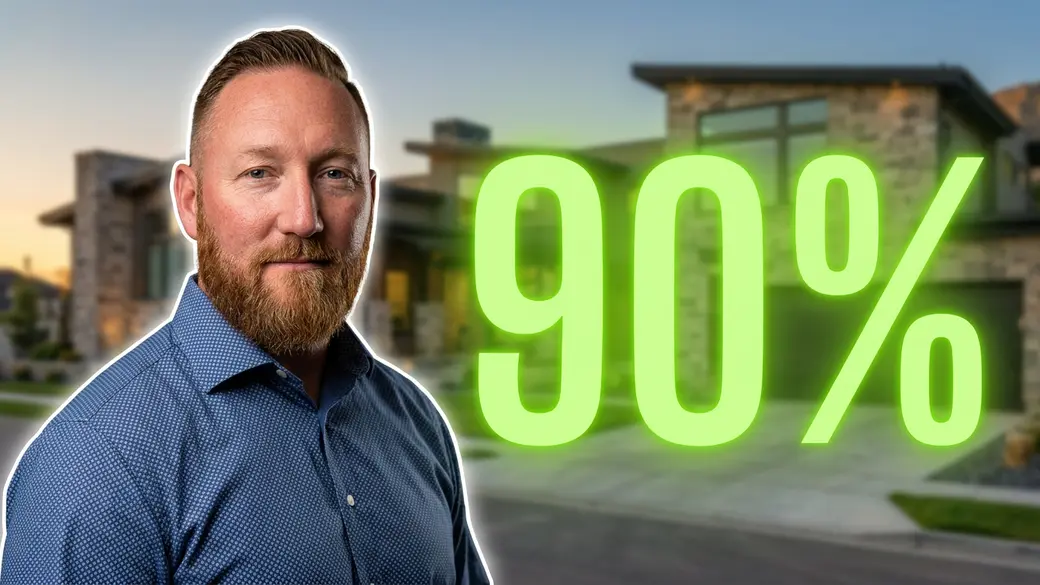
How to Buy a New Home in Utah Without Selling Your Current One
The Strategic Upgrader Strategy for Utah Homeowners Ready to Move Up or Downsize
Can you buy a new home in Utah without selling your current home? In some situations, yes. A qualified homeowner may be able to convert their current residence into a rental, use a portion of the documented rental income when applying for another mortgage, and move into a home that better fits the life they are living now.
This strategy is especially relevant for Utah homeowners who purchased or refinanced when mortgage rates were exceptionally low. Their circumstances may have changed, but walking away from that favorable mortgage and the equity they have accumulated can feel like a financial step backward.
Maybe your family needs more space. Perhaps your children have moved out and you are ready to downsize. You may want to relocate from Salt Lake City to Park City, move closer to family, shorten your commute, or choose a home that better supports the way you want to live.
The problem is not always that you cannot move. Sometimes, it is that selling your current home does not feel like the best use of an asset you have worked hard to build.
That is where the Strategic Upgrader may be worth exploring.
What Is the Strategic Upgrader?
The Strategic Upgrader is the name mortgage broker Josh McReavy of Ultimate Home Lending uses for a coordinated real estate and financing strategy.
Instead of selling the home you currently own, you explore whether it could become a rental property while you purchase another home as your new primary residence.
The strategy is designed to answer two important questions:
-
Can rental income from my current home help me qualify for my next one?
-
Can I continue building equity in my current property while moving into a home that fits my needs today?
This is not a one-size-fits-all solution or a guarantee of loan approval. It is a strategy that may combine existing mortgage guidelines, documented rental income, available home equity, and a carefully coordinated move.
How Can Rental Income Help You Qualify for Another Home?
When a homeowner converts a departing residence into a rental, a lender may be able to use part of the qualifying rental income to help offset the property’s existing mortgage obligation.
In the example Josh shared during our interview, imagine that your current home can be rented for $2,000 per month. Under applicable underwriting guidelines, the lender may use 75% of the documented rent, or $1,500, in the qualification calculation.
The remaining 25% helps account for expenses such as potential vacancies and ongoing maintenance.
That does not necessarily mean the old mortgage disappears. The lender will evaluate the qualifying rental income, the complete housing expense, your other debts, income, credit, reserves, and the requirements of the selected loan program.
Depending on the numbers, however, the rental income may reduce the effect of your current mortgage on your debt-to-income ratio.
Josh explained that a newly executed rental arrangement may require documentation such as:
-
A fully executed lease, often for 12 months depending on the loan program
-
The first full month’s rent
-
A security deposit
-
Proof that the required funds were deposited
-
Support for the market rent when required by the lender
The documentation and calculations can vary, which is why it is important to create the financing strategy before shopping for your next home.
Where Could the Down Payment Come From?
Some homeowners already have enough savings for the down payment and closing costs on their next home. Others have substantial equity in their current property but do not want to sell it to access that value.
One option may be a home equity line of credit, commonly called a HELOC. A HELOC can allow a qualified homeowner to borrow against available equity and use those funds toward the down payment on the next home.
Because the new purchase is intended to become the homeowner’s primary residence, certain qualified borrowers may have financing options with a down payment starting as low as 5%.
The exact down payment depends on the borrower, occupancy, property type, loan limits, mortgage insurance, reserves, and other program requirements.
A HELOC is still debt. It creates an additional payment and may have a variable interest rate, fees, and other risks. Before using one, your lender should show you how the HELOC would affect your monthly obligations, cash flow, and total purchasing power.
Who Might Be a Good Fit for This Utah Home-Buying Strategy?
The Strategic Upgrader may be worth evaluating if you already own a Utah home and are experiencing a meaningful life change.
Your family is growing
Your starter home may have been perfect when you purchased it, but another bedroom, a larger yard, a home office, or better gathering space may now be essential.
You are ready to downsize
After the children leave home, a large property may require more time, expense, and maintenance than you want.
Keeping that home as a rental could allow another family to enjoy the space while you move into a home or community that better fits your next chapter.
You want to relocate within Utah
You may want to move from Salt Lake County to Park City, Heber Valley, Kamas, or another Wasatch Back community.
Other homeowners may want to move closer to downtown Salt Lake City, family, recreation, work, or the lifestyle they want to enjoy every day.
You want to begin investing in real estate
Purchasing a separate investment property often requires a larger down payment.
Converting a former primary residence into a rental while purchasing a new primary home may offer a different entry point into real estate investing for qualified homeowners.
You have a mortgage rate you would prefer to keep
A favorable mortgage rate can be a valuable part of a property’s cash-flow potential. Keeping that financing in place may be appealing if the home can also attract reliable rental demand.
What About Condos and Townhomes?
A condo or townhome may also fit this strategy, but the governing documents matter.
Before assuming the property can be rented, review the homeowners association rules, rental caps, minimum lease terms, and any waiting periods or approval requirements.
This is an important part of the real estate review. Even if the financing works, the HOA must allow your intended rental use.
The Landlord Reality Check
Keeping a property may create long-term opportunity, but rental ownership is not passive in every situation.
A landlord may need to manage:
-
Tenant screening and lease administration
-
Repairs and emergency maintenance
-
Periods of vacancy
-
Property insurance and HOA requirements
-
Accounting and recordkeeping
-
Local rental rules
-
Property management expenses
As Josh pointed out, not everyone wants to respond when a garage door fails or a plumbing problem appears at an inconvenient hour.
If hands-on management does not fit your lifestyle, a professional property manager may be part of the plan. That expense should be included when evaluating the property’s realistic cash flow.
The right question is not simply, “Can I rent my home?”
It is, “Does keeping this property make sense for my finances, risk tolerance, and lifestyle?”
Potential Benefits of Keeping Your Current Utah Home
When the numbers and responsibilities align, maintaining the original property may offer several potential advantages:
-
Continued ownership of an appreciating asset, although appreciation is never guaranteed
-
Equity growth as the mortgage principal is reduced
-
Potential monthly cash flow after all expenses
-
Possible tax treatment associated with rental ownership
-
Diversification through ownership of more than one property
-
The ability to move into a home that better supports your current life
Tax deductions and depreciation depend on individual circumstances. A qualified tax professional should evaluate the potential benefits and consequences before you proceed.
Start With the Strategy, Not the Home Search
The order of operations matters.
Before touring homes, you want a clear picture of:
-
The realistic market rent for your current home
-
The mortgage payment and other expenses the rent must support
-
Whether your HOA and local regulations allow the rental
-
The documentation the lender will require
-
Your available cash, equity, and potential HELOC terms
-
Your comfortable payment for the next home
-
The timing required to secure a tenant and complete the purchase
A coordinated plan between your real estate professional and lender can help prevent you from making commitments in the wrong order.
It also allows you to compare the Strategic Upgrader with the traditional option of selling your current home and using the proceeds toward your next purchase.
Frequently Asked Questions
Can I buy another home in Utah without selling the one I own?
Possibly. If you qualify to carry both properties, or if eligible rental income from your current home can be considered during underwriting, you may be able to purchase another home without selling first.
Can projected rental income offset my current mortgage?
In some qualifying scenarios, a lender may calculate 75% of documented gross rent and compare it with the property’s complete monthly housing expense.
The treatment depends on the loan program, your rental-management history, and the complete underwriting file.
Do I need a tenant before closing on the new home?
If projected rental income is needed for qualification, the lender may require an executed lease and evidence supporting the new tenancy.
Confirm the exact requirements and timing with the lender before advertising the property or committing to tenant move-in dates.
Can I use a HELOC for the down payment on my next home?
A qualified homeowner may be able to access equity through a HELOC and use those funds toward a down payment.
The HELOC payment is generally considered in the overall financial analysis, and the associated costs and risks should be carefully reviewed.
Can the strategy work if my current property is a condo or townhome?
It may, provided the homeowners association permits the intended rental and you satisfy the applicable lending requirements.
Review the HOA’s rental caps, lease restrictions, waiting periods, and approval requirements before relying on this option.
Is the Strategic Upgrader only for people upgrading to a larger home?
No. It may also help empty nesters and other homeowners downsize, relocate, or move into a community that better fits their lifestyle while retaining the original property as an investment.
Could the Strategic Upgrader Work for You?
If your current home no longer fits your life, you do not have to assume your only choices are to remain stuck or immediately sell it.
There may be a third option: keep your current property, convert it into a rental, and purchase a home that better serves your next chapter.
The first step is not making a decision. It is understanding the numbers.
Josh McReavy of Ultimate Home Lending and I can help you evaluate the lending requirements, estimated rental income, available equity, and Utah real estate options involved in the strategy.
Together, we can determine whether keeping your current home or selling it creates the stronger path for your goals.
To explore homes for sale in Salt Lake City, Park City, Heber Valley, Kamas, or communities throughout Utah, visit LuxuryUtahProperties.com.
To schedule a real estate strategy conversation, call or text 801-872-7156.
Judy Kostrencich
Luxury Utah Properties
eXp Realty | Luxury
Salt Lake City and Park City, Utah
LuxuryUtahProperties.com
This article is for educational purposes only and is not a commitment to lend or financial, legal, or tax advice. Mortgage programs, rental-income calculations, down-payment requirements, and qualification standards vary and are subject to change. Real estate values, rental demand, and investment results are not guaranteed. Consult qualified lending, tax, legal, and real estate professionals regarding your individual circumstances.
Watch the interview here:
Categories
- All Blogs (98)
- Best Choice (26)
- Featured Listings (20)
- Home Seller Tips (4)
- How's the market? (12)
- Real Estate Questions & Answers (10)
- Reasons to Choose Luxury Utah Properties (8)
- Utah Area Guides (3)
- Utah Buyer Resources (1)
- Utah Custom Homes (1)
- Utah Homeowner Maintenance Tips (8)
- Utah Homeowners Podcast (3)
Recent Posts









Luxury Real Estate Consultant License ID: 218124
+1(801) 872-7156 | judy.kostrencich@exprealty.com